
CONTACT PHONE 816-380-4747
OPEN HOURS

Mon - Fri 8:00AM - 5:00PM Central

ADDRESS

1150 SE Hamblen Rd, Lee's Summit, MO 64081

Why Do You Need a Vacuum Air Flow Meter?

Why does a vacuum system lose performance when the pump still sounds normal? In many cases, the answer begins with airflow, not pump noise. A Vacuum Air Flow Meter measures the volume and movement of air through a vacuum line. This information helps technicians identify restrictions, leaks, overloaded filters, and unstable process conditions.

In a workshop, a technician may connect the meter near the pump inlet and record the airflow under a known vacuum level. The display can reveal a sharp drop when a hose bends, a filter clogs, or a valve fails to open fully. Small leaks matter. Even a loose fitting can extend evacuation time and reduce production consistency. These measurements support decisions based on evidence rather than guesswork.

Reliable results depend on proper installation, calibration, and operating conditions. Experienced technicians compare readings with manufacturer specifications and previous maintenance records. They also check temperature, pressure, hose diameter, and flow direction before judging the equipment. A Vacuum Air Flow Meter is not a complete diagnostic solution. It cannot explain every fault by itself, and readings may vary between instruments. That limitation deserves attention. Still, when used with sound procedures, it provides a practical way to verify vacuum performance, protect equipment, and reduce unnecessary downtime. Its value becomes clearest when a small measurement prevents a much larger repair.
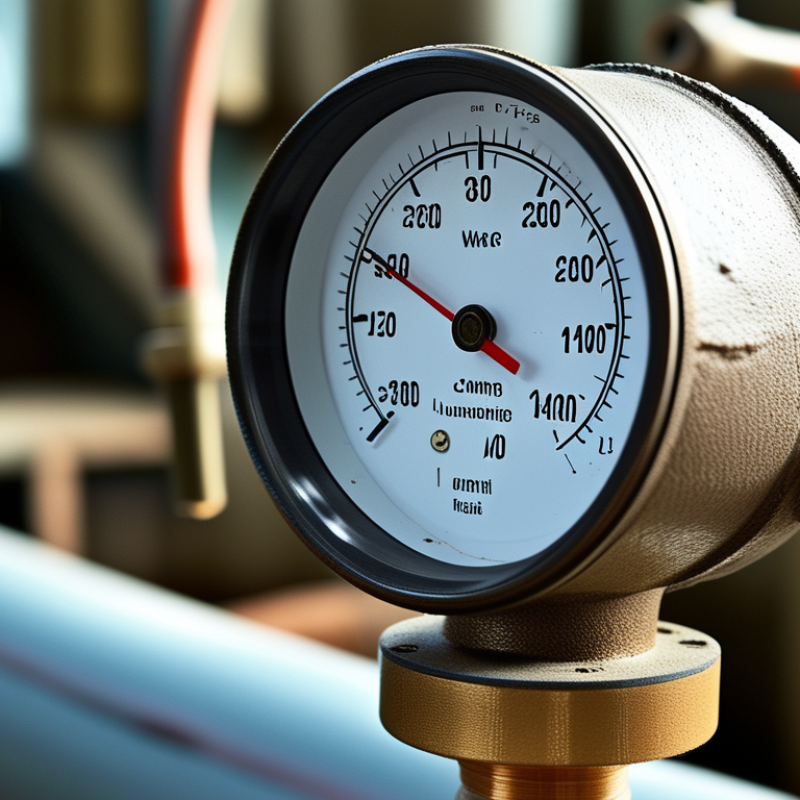
Why Do You Need a Vacuum Air Flow Meter?

What Is a Vacuum Air Flow Meter?

A vacuum air flow meter measures the volume of air moving through a system under negative pressure.

Unlike a standard airflow meter, it works when pressure inside the pipe falls below surrounding atmospheric pressure. The device may use a calibrated sensing element, pressure difference, or thermal measurement to estimate airflow. Its display commonly shows cubic meters per hour, liters per second, or another selected unit.

The measurement helps technicians check suction performance, leakage, and filter condition.

For example, a weak reading may reveal a blocked hose, a loose connection, or a damaged seal. Placement matters. Turbulence near bends can distort the result, so a straight pipe section usually provides better data. In field testing, dust buildup on the sensing area can also create unstable readings.

Small details matter.

A vacuum air flow meter is not a magic diagnostic tool.

Temperature, moisture, pressure range, and gas composition can affect accuracy. I have seen readings look reasonable until they were compared with a calibrated reference meter. That comparison exposed a small but important error. Regular calibration and careful installation make the data more dependable.

Operators should also confirm the measurement unit before recording results. A correct number in the wrong unit can still lead to a poor maintenance decision.

How Does a Vacuum Air Flow Meter Work?

A vacuum air flow meter measures how much air moves through a low-pressure line. It does not simply count air volume. It detects pressure, temperature, and gas movement together. Thermal meters heat a tiny sensor, then measure how quickly flowing air removes that heat. Faster cooling indicates higher mass flow. Differential-pressure meters compare pressure before and after a calibrated restriction. The pressure drop then becomes a flow value through a defined equation. It sounds simple. It is not perfectly simple.

Pressure changes the result. A reading of 100 standard liters per minute differs from 100 actual liters per minute inside a vacuum pipe. Therefore, operators must check reference pressure and temperature settings. The U.S. Department of Energy’s Improving Compressed Air System Performance sourcebook reports that compressed-air systems can consume about 10% of industrial electricity. It also notes that leaks may waste 20–30% of compressor output. A correctly installed meter can expose unusual flow during idle periods. ISO 5167 gives calculation guidance for differential-pressure devices in suitable pipe conditions. However, installation errors still matter. A short inlet run, a dirty sensor, or pulsating flow can distort results. In practical testing, a stable display may still hide an inaccurate measurement. Calibration records, leak checks, and repeated readings provide stronger evidence than one attractive number.

What Measurements Can It Provide?

Why Do You Need a Vacuum Air Flow Meter?

What Measurements Can It Provide?

A vacuum air flow meter shows how much air moves through a system under reduced pressure. This reading is commonly expressed in liters per minute or cubic meters per hour. It helps technicians compare actual performance with design requirements.

It can also measure vacuum pressure at the test point. Pressure data reveals whether a pump, hose, valve, or chamber is creating the expected vacuum. Differential pressure helps identify restrictions across filters and narrow passages. A rising pressure difference often signals contamination or poor airflow. Small details matter.

Some meters calculate air velocity, while others record temperature and pressure compensation. These features improve accuracy when conditions change during testing. A stable flow rate with unstable pressure may indicate a leak or an undersized pump. A falling flow rate can point to blockage, worn components, or a damaged seal.

In practical testing, readings should be taken at consistent connection points. I have found that a single measurement can look convincing and still mislead. Ambient temperature, hose length, and meter orientation may affect the result. Repeating the test reduces uncertainty. It is also wise to record flow and pressure together, because one number rarely explains the entire vacuum system.

Why Do You Need a Vacuum Air Flow Meter? - What Measurements Can It Provide?

A vacuum air flow meter helps evaluate how airflow changes as vacuum pressure increases. The chart shows representative measurements of airflow rate and vacuum level at different inlet restriction conditions. As restriction rises, vacuum becomes stronger while the available airflow decreases.

Why Is Accurate Vacuum Airflow Measurement Important?

Accurate vacuum airflow measurement matters because pressure alone can mislead. A gauge may show a stable vacuum while airflow quietly falls through a clogged filter, undersized hose, or leaking seal. In practical testing, technicians often compare vacuum pressure with flow at the same operating point. That simple check reveals whether a system is removing air efficiently or merely pulling harder.

The U.S. Department of Energy reports that compressed-air systems can consume about 10% of industrial electricity, while leaks may waste 20–30% of compressor output. Vacuum equipment is not identical, but the energy lesson remains relevant: unmeasured airflow creates hidden operating costs. The ISO 1607-1 standard also identifies airflow and pumping performance as key vacuum-system characteristics. A calibrated flow meter supports repeatable testing, safer equipment sizing, and better maintenance decisions.

Measurement is not perfect. Temperature, moisture, altitude, and sensor placement can change the reading. A flow value taken near a turbulent elbow may look precise but remain questionable. Technicians should record pressure, temperature, airflow, and test conditions together. Small errors matter. For example, a weak reading after maintenance may indicate a poor connection rather than pump failure. Reviewing the installation, not only the number, is essential for reliable diagnosis.

How Do You Choose the Right Vacuum Air Flow Meter?

Why Do You Need a Vacuum Air Flow Meter?

How Do You Choose the Right Vacuum Air Flow Meter?

Choosing a vacuum air flow meter starts with your actual process conditions. Measure the expected flow range, vacuum level, gas type, and operating temperature. A meter should not work constantly at its maximum limit. Leave measuring room for pressure changes and unexpected surges. For example, a small laboratory vacuum line may need a different sensor than a large packaging system. The connection size also matters. Poorly matched fittings can create leaks and unstable readings.

Accuracy is important, but repeatability often matters more in daily production. Check the stated accuracy, response time, calibration method, and pressure range. Digital output can support data logging and fault detection. However, extra functions may complicate installation. I once focused too much on display features and overlooked the sensor’s low-flow performance. That choice required later adjustments. It was a useful, slightly expensive lesson.

Tips: Compare the meter’s range with real operating data, not only equipment estimates. Confirm compatibility with the process gas and materials. Ask for calibration records and test conditions. Install the sensor where airflow is stable, away from sharp bends and vibrating equipment. Inspect seals regularly. Even a good meter gives poor results when a nearby joint leaks. If readings seem unusual, check the system first, then question the instrument. That order is not always followed, but it saves time.