How to Use Grey Concrete for Modern Home Design?
Grey concrete has emerged as a popular choice in modern home design. Its versatile nature allows it to blend seamlessly with various architectural styles. This material not only provides durability but also adds an aesthetic appeal that is hard to ignore.
When used thoughtfully, grey concrete can transform a space. It can create an industrial vibe or serve as a neutral backdrop for vibrant decor. Many designers are taking risks by using grey concrete in unexpected places. However, the balance between warmth and coldness can be tricky.
Exploring the potential of grey concrete requires a keen eye and creativity. It can easily dominate a space if not paired with the right accents. Knowing how to complement its starkness is crucial. Embracing its imperfections can lead to unique and personal designs. The journey of incorporating grey concrete into your home is both challenging and rewarding.
Understanding Grey Concrete and Its Aesthetic Appeal
Grey concrete has become a popular choice in modern home design. Its unique aesthetic offers a sleek and industrial look. This material blends well with various styles, from minimalist to contemporary. Its neutral tone can complement vibrant accents or natural elements, creating a balanced space.
Tips for using grey concrete: Consider pairing it with warm colors. This contrast adds depth and warmth to the overall design. Use grey concrete for feature walls, outdoor patios, or even kitchen islands. These areas can benefit from its durability and striking appearance.
Embrace the imperfections of grey concrete. Each slab has a story, with variations that can enhance the design. Rough textures and subtle color shifts offer authenticity. Reflect on how these unique qualities can form a personal and inviting space. The key is to appreciate its raw nature while incorporating it thoughtfully in your home.
Choosing the Right Type of Grey Concrete for Your Home Design
When choosing the right type of grey concrete for home design, several factors come into play. The aesthetics of grey concrete can either complement or clash with your vision. For modern designs, polished or exposed aggregate finishes may offer a sleek, contemporary look. According to a report by the American Concrete Institute, grey concrete can reduce energy costs by 20% due to its reflective properties. This makes it a practical choice for both form and function.
However, not all grey concrete is created equal. Variations in mix design and aggregates can significantly affect appearance and durability. Homeowners should consider the long-term implications of their choices. A common mistake is opting for a cheaper mix without understanding the potential for staining or cracking. The National Association of Home Builders indicates that improper selection of concrete can lead to expensive repairs down the line.
Textures also play a crucial role. Smooth finishes might be appealing but can be slippery. On the other hand, rough textures provide better traction but may require more maintenance. Aligning your choice with the intended use of the space is vital. Not every type of grey concrete fits all applications. Being mindful of these details enhances not just the look but also the longevity of your design.
Usage of Grey Concrete in Modern Home Design
This chart illustrates the preference distribution for grey concrete usage in modern home design across various areas, highlighting its most popular applications like living rooms and kitchens.
Integrating Grey Concrete into Interior Spaces Effectively
Grey concrete offers a stunning, modern aesthetic for interior spaces. This versatile material has gained popularity, particularly due to its clean lines and industrial feel. According to a recent report by the American Institute of Architects, over 40% of designers are incorporating concrete into residential projects.
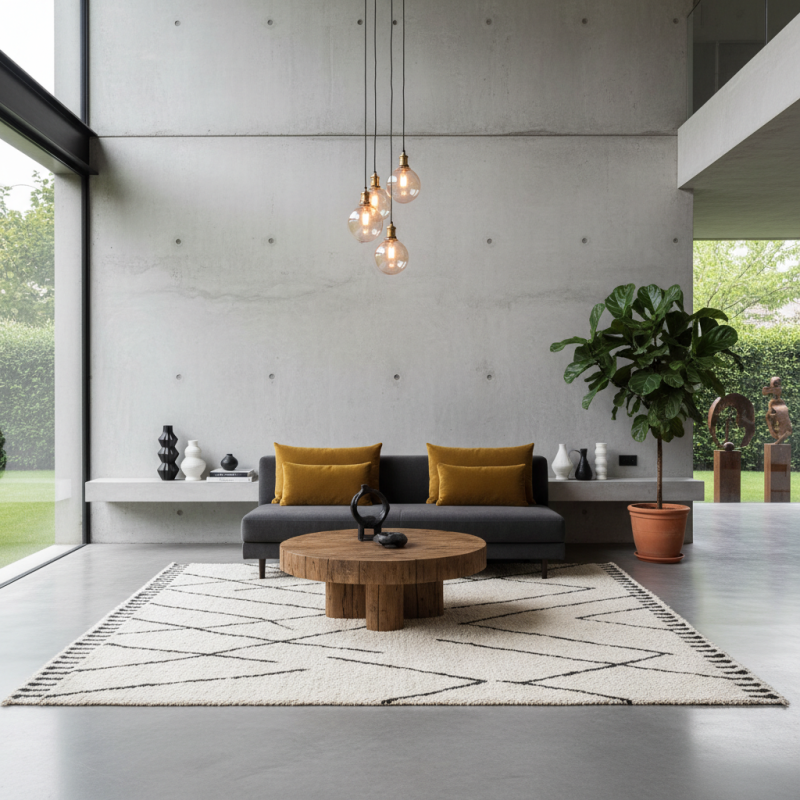
When integrating grey concrete, consider balance. Pair it with softer materials like wood or textiles. This contrast can prevent the space from feeling too cold or stark. For example, a grey concrete wall can be enriched by warm wooden furniture. Artwork with vibrant colors can also soften the harshness.
Tips: Start with smaller elements. A concrete coffee table or planters can create a striking focal point. Ensure your lighting complements the concrete. Warm lighting can enhance the grey tones. Avoid overwhelming the space with too much concrete, as it may overpower the overall design. Embrace imperfection; natural variations in concrete can add character.
Enhancing Outdoor Areas with Grey Concrete Design Elements
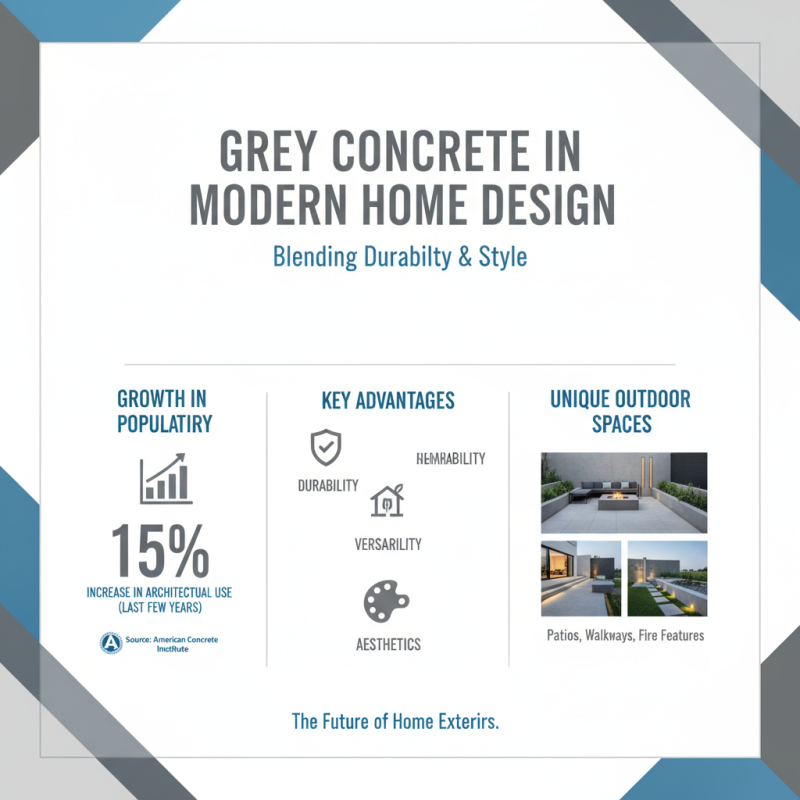
Grey concrete has become increasingly popular in modern home design. Its versatility allows for unique outdoor spaces that blend functionality with aesthetics. According to the American Concrete Institute, the use of concrete in architectural design has grown by 15% in recent years. This trend highlights how homeowners value both durability and style.
In outdoor areas, grey concrete can be used for patios, pathways, and seating. Its neutral tone complements various natural elements, creating a serene atmosphere. For instance, a concrete patio can contrast beautifully with green foliage. However, some homeowners may find it too stark or cold. It’s essential to balance grey surfaces with softer textures and colors to warm the space.
Adding decorative elements can enhance grey concrete designs. Textured finishes or colored aggregates can add dimension. Lighting is equally critical; it can transform a bland concrete surface into a vibrant gathering space at night. While the durability of concrete is undeniable, maintenance can pose challenges. Cracks or surface wear might detract from the overall look. Regular sealing can mitigate these issues, but taking proactive steps is a must for longevity. Designing thoughtfully around these aspects can lead to inviting outdoor spaces.
Combining Grey Concrete with Other Materials for Contrast and Depth
Grey concrete can be a striking foundation for modern home design. To elevate its presence, pair it with contrasting materials.
For instance, combine warm wooden accents with grey surfaces. This creates a soothing balance.
The smoothness of concrete against textured wood adds depth. It invites touch and engagement in the space.
Another effective combination is with metal.
Stainless steel or matte black can amplify grey concrete's urban vibe.
Use metal fixtures in kitchens or bathrooms for a sleek look. The juxtaposition of hard concrete and cool metal sparks visual interest.
However, be wary of making spaces feel too cold. Balance is key.
Incorporating soft textiles can help soften the overall aesthetic.
A plush rug or velvet cushions can warm grey tones. These elements bring comfort to the modern design. Reflect on how different materials interact in your spaces.
The interplay of textures can enhance the beauty of grey concrete. Remember, not every combination will be perfect. Experiment to find what works for your home.