
CONTACT PHONE 816-380-4747
OPEN HOURS

Mon - Fri 8:00AM - 5:00PM Central

ADDRESS

1150 SE Hamblen Rd, Lee's Summit, MO 64081

Top 10 CNC Machining Services for Global Buyers

Choosing a reliable Cnc Machining partner can shape an entire product’s success. For global buyers, the decision involves more than comparing hourly rates. Material quality, dimensional accuracy, production capacity, communication, and delivery stability all matter. A supplier may promise tight tolerances, yet the real test appears on the inspection report. Think of a machined aluminum housing, with clean threads, sharp edges, and a surface finish that matches the drawing. Small differences can affect assembly, performance, and customer trust.

Manufacturing expert Dr. Thomas W. Kurfess has said, “Manufacturing is the foundation of our economy.” This idea remains practical for international procurement teams. Strong manufacturing supports dependable products, not only attractive quotations. The companies selected for this list were considered through practical factors, including engineering support, CNC equipment, quality systems, prototyping experience, and export readiness. ISO 9001 certification can provide useful evidence, but certification alone cannot guarantee excellent work. Real project experience matters. So does clear communication.

No ranking is perfect. A supplier that excels at rapid prototypes may not suit high-volume production. Another may offer excellent five-axis machining but lack strong logistics support. Buyers should examine drawings, tolerances, material certificates, sample parts, and inspection methods before placing major orders. Ask difficult questions. Check the answers carefully. The following Top 10 Cnc Machining Services for Global Buyers highlights companies that may support different manufacturing needs. Their strengths vary, and that variation deserves attention. A thoughtful choice can reduce rework, shorten delays, and create a more dependable supply chain. Sometimes, the cheapest option is not economical.
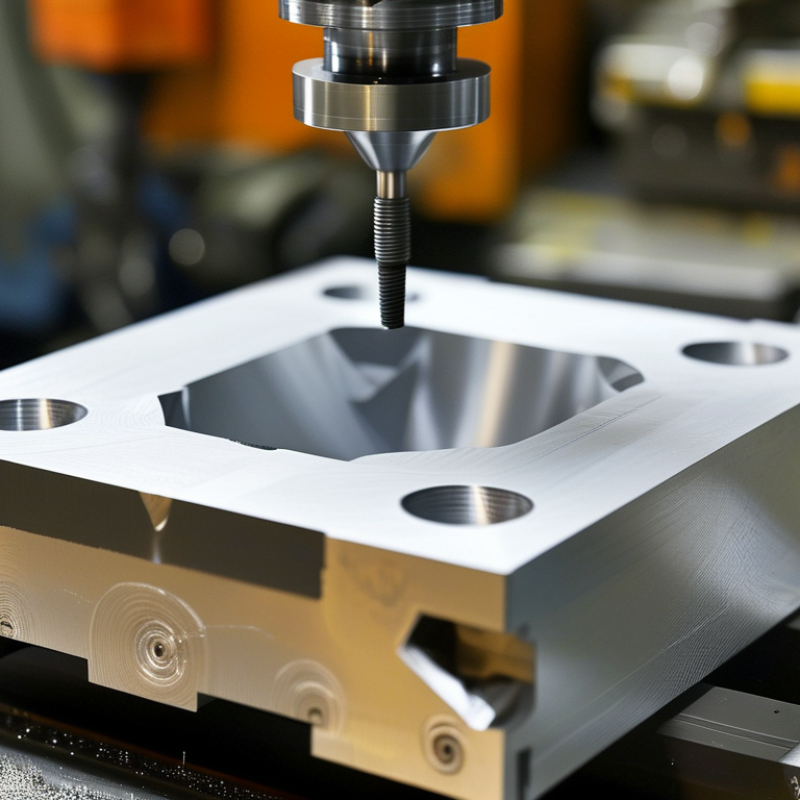
Top 10 CNC Machining Services for Global Buyers

What CNC Machining Services Include for Global Buyers

Top 10 CNC Machining Services for Global Buyers

What CNC Machining Services Include for Global Buyers

CNC machining services cover more than cutting metal. They include design review, material selection, milling, turning, Swiss turning, and five-axis machining. Electrical discharge machining supports complex shapes and tight internal features. Many suppliers also provide drilling, tapping, surface finishing, and small-part assembly. Prototype and production orders may follow different planning methods.

A reliable service should explain tolerances before production begins. For example, a drawing may specify ±0.02 mm on a critical bore. The supplier should confirm whether that tolerance is practical for the selected alloy and process. Inspection can include calibrated gauges, coordinate measuring machines, dimensional reports, and material certificates. Photos of first articles can also reduce uncertainty for overseas buyers.

Communication matters just as much. Buyers often need design-for-manufacturing feedback, clear quotations, export packaging, and shipment documentation. A strong quotation identifies quantity, lead time, tooling, finishing, inspection, and delivery terms. Ask about revision control, especially when drawings change during sampling. No quotation is perfect.

Some details are easily missed. A sharp internal corner may require a special tool, increasing cost. Thin walls can deform during clamping. Surface appearance may vary between batches, even when dimensions remain acceptable. Experienced buyers allow time for sample approval and independent verification. That extra step can prevent expensive rework across borders.

How to Evaluate CNC Machining Suppliers Worldwide

Top 10 CNC Machining Services for Global Buyers

Evaluating CNC suppliers worldwide requires more than comparing hourly rates. Use a ten-point scorecard: machining capability, tolerances, materials, equipment age, inspection systems, certifications, traceability, capacity, communication, and delivered cost. ISO’s Survey 2022 recorded more than 1.2 million ISO 9001 certificates globally, but certification alone does not prove process control. Ask for sample inspection reports, calibration records, and documented corrective actions. A supplier should explain how it measures a 0.02 mm tolerance, not merely promise it.

Request a small pilot batch before approving production. Check thread quality, edge finishing, surface marks, packaging, and dimensional consistency under real lighting. Review the supplier’s experience with your material, especially aluminum alloys, stainless steel, engineering plastics, or hardened steel. Useful evidence includes first-article reports, material certificates, and photographic records linked to lot numbers. I have learned that fast replies can be misleading. A clear technical question often reveals more than a polished presentation.

Global logistics also affect supplier value. UNCTAD’s Review of Maritime Transport reports that around 80% of world trade by volume moves by sea, so port access, export documentation, and buffer time deserve careful review. Compare landed cost, not quotation price. Confirm Incoterms, packaging protection, customs responsibility, and replacement procedures for rejected parts. Ask for realistic monthly capacity, not optimistic maximum output. Small details matter. A supplier may pass an audit yet struggle with revision control, late engineering changes, or consistent batch labeling. That risk deserves an honest score, even when the price looks attractive.

Top 10 CNC Machining Services for Global Buyers - How to Evaluate CNC Machining Suppliers Worldwide

Rank Service Category Best For Common Materials Typical Capability Typical Tolerance Indicative Lead Time Quality and Compliance Indicators What Global Buyers Should Verify
1 Precision 5-Axis Milling Complex aerospace, medical, robotics, and tooling components Aluminum Titanium Stainless steel Engineering plastics Simultaneous multi-face machining with reduced setups; suitable for contoured surfaces and deep features Commonly ±0.01–0.05 mm; tighter values require drawing review Prototype: 5–15 working days
Production: 3–8 weeks
CMM inspection, calibrated gauges, material traceability, documented first-article inspection Ask for machine-axis specifications, inspection reports, process capability data, and examples of comparable geometries
2 High-Volume 3-Axis Milling Repeat production of housings, brackets, plates, fixtures, and mechanical parts Aluminum Brass Steel ABS Efficient prismatic machining with stable workholding and automated tool management Commonly ±0.02–0.10 mm depending on size, material, and feature Production: 2–6 weeks after approval Statistical process control, fixture validation, in-process inspection, lot identification Review annual capacity, batch-size flexibility, inspection frequency, preventive-maintenance records, and production scheduling controls
3 CNC Turning and Turn-Milling Shafts, pins, bushings, fittings, threaded parts, and rotational components Steel Stainless steel Brass Aluminum PEEK External and internal turning, threading, grooving, drilling, and live-tool milling Commonly ±0.01–0.05 mm for controlled features Prototype: 3–10 working days
Production: 2–5 weeks
Thread gauges, roundness checks, surface-finish measurement, material certificates Confirm chucking method, bar capacity, thread standards, concentricity controls, and inspection of critical diameters
4 CNC Swiss-Type Machining Small, long, and high-volume precision parts for medical, electronics, and instrumentation applications Stainless steel Titanium Brass Nickel alloys Guide-bushing support for slender parts; suitable for small diameters and multiple operations Commonly ±0.005–0.03 mm for selected features Production: 3–8 weeks; tooling may add time Optical measurement, SPC records, tool-life monitoring, lot-level traceability Verify minimum and maximum bar diameter, part-length limits, burr control, tool compensation, and cleaning procedures
5 CNC Sheet and Plate Machining Large panels, machine frames, mounting plates, heat sinks, and structural components Aluminum plate Carbon steel Stainless steel Copper Large-format profiling, pocketing, drilling, countersinking, and contour machining Commonly ±0.05–0.20 mm depending on material thickness and part size Prototype: 7–20 working days
Production: 3–7 weeks
Flatness inspection, dimensional reports, edge-deburring controls, plate material certification Check maximum work envelope, thickness range, flatness capability, distortion controls, and packaging for large parts
6 CNC Routing for Plastics and Composites Enclosures, panels, prototypes, insulation parts, signage components, and lightweight assemblies ABS Acrylic Polycarbonate Nylon Carbon-fiber composite High-speed profiling and pocketing with attention to heat, vibration, and edge quality Commonly ±0.05–0.20 mm; material stability is a key variable Prototype: 3–12 working days
Production: 2–5 weeks
Material identification, dimensional sampling, edge-quality inspection, controlled dust extraction Verify cutter selection, clamping method, heat-management practices, composite dust controls, and cosmetic acceptance criteria
7 CNC EDM and Wire EDM Hard conductive materials, narrow slots, intricate profiles, and high-precision tooling components Tool steel Hardened steel Carbide Titanium Non-contact electrical-discharge cutting for hardened materials and fine internal features Commonly ±0.005–0.03 mm depending on thickness and finishing passes Prototype: 7–20 working days
Production: 3–8 weeks
Wire-offset verification, surface-finish measurement, profile inspection, recast-layer controls where applicable Confirm maximum workpiece thickness, taper capability, corner-radius limits, skim-cut policy, and required post-processing
8 Prototype and Low-Volume CNC Machining Engineering validation, pilot builds, design iterations, and market-test quantities Aluminum Steel Brass Plastics Flexible setup for one to several hundred parts with design-for-machining feedback Commonly ±0.05 mm; tighter tolerances should be specified feature by feature 3–15 working days for standard parts Drawing review, revision control, first-piece approval, dimensional inspection before shipment Evaluate quotation speed, engineering communication, revision handling, prototype pricing, and ability to scale into production
9 CNC Machining with Finishing and Assembly Finished subassemblies requiring coating, anodizing, plating, heat treatment, or kitting Aluminum Stainless steel Carbon steel Engineering plastics Integrated machining, surface treatment, marking, component assembly, and packaging Machining tolerance commonly ±0.02–0.10 mm; coating thickness must be accounted for Production: 4–10 weeks depending on outside processes Approved-process records, coating thickness checks, adhesion testing where required, assembly inspection Identify subcontracted processes, verify certificates, define cosmetic standards, and confirm responsibility for final quality
10 Export-Ready CNC Contract Manufacturing Global buyers needing recurring supply, export documentation, consolidated shipments, and supplier continuity Metals Plastics Composites Customer-specified materials End-to-end production planning, purchasing, machining, inspection, packaging, and international logistics coordination Defined by approved drawings, inspection plans, and mutually agreed acceptance criteria Initial order: 4–12 weeks
Repeat orders: agreed production schedule
Quality-management certification, traceability, corrective-action system, export documentation, business-continuity planning Verify legal entity, factory location, capacity, payment terms, Incoterms, customs documents, insurance, contingency plans, and audit access
Evaluation note: Tolerance, lead time, capacity, and inspection requirements vary by part geometry, material, quantity, surface finish, and drawing standard. Global buyers should compare suppliers using the same 2D drawings, 3D files, material specifications, quality requirements, packaging instructions, and delivery terms.

Key Factors in Comparing the Top Ten CNC Services

Comparing the top ten CNC machining services requires more than checking hourly rates. An experienced buyer should examine tolerance control, material knowledge, equipment capacity, and inspection methods. A low quote may exclude tooling, surface treatment, packaging, or setup fees. Request a detailed quotation with every process listed.

Review how each supplier verifies critical dimensions. Useful evidence includes CMM reports, calibration records, first-article inspections, and clear measurement standards. Ask whether the service can hold a 0.02 mm tolerance on the actual material and geometry. Machine type matters too. Five-axis equipment may reduce repositioning errors on complex aerospace or medical components.

Communication can reveal practical reliability. Compare response times, engineering feedback, production updates, and corrective-action records. A capable supplier should question unclear drawings instead of machining assumptions. Check lead times against real production capacity, not only advertised promises. Shipping protection also matters; thin packaging can damage sharp edges before arrival. Certifications support credibility, but they do not replace process evidence. I have seen impressive certificates paired with weak inspection data. That deserves caution. For a fair comparison, send the same drawing, quantity, alloy, finish, and delivery address to all ten services. Then compare technical answers, sample reports, revision control, and final landed cost. The best choice may not offer the lowest price. It should offer predictable results, honest limitations, and evidence that matches your part’s risks.

Quality, Materials, Tolerances, and Production Capabilities

Top 10 CNC Machining Services for Global Buyers

Quality begins with measurable evidence, not polished photographs. The ISO Survey 2022 recorded 1,265,216 ISO 9001 certificates worldwide. Certification helps, but it cannot replace inspection records. Ask for material certificates, first-article reports, and dimensional data. Critical dimensions need calibrated CMM inspection. Surface finish also deserves attention. A smooth-looking wall may still miss the drawing specification.

Material selection changes cost, weight, corrosion resistance, and machining behavior. Aluminum supports lightweight housings, while stainless steel suits demanding environments. Engineering plastics can reduce friction and electrical risks. Request the exact alloy, temper, and heat-treatment condition. “Equivalent material” is often too vague. It can create avoidable problems. Tolerances should match function, not personal preference. Standard tolerances may reduce price, but tight fits require stable machines, controlled temperature, and skilled inspection. A tolerance claim can still mislead if the datum structure is unclear.

Production capability matters beyond machine count. Deloitte’s 2024 Global Manufacturing Industry Outlook reported that 86% of manufacturing executives view smart manufacturing as important for competitiveness within three years. Buyers should examine process monitoring, revision control, traceability, and backup capacity. Confirm prototype, low-volume, and repeat-production workflows. Check lead times against actual batch sizes. A supplier may quote five days for ten parts, then struggle with five hundred. That gap needs honest discussion. Trial orders reveal more than sales language.

Ordering, Shipping, and Compliance Considerations for International Buyers

International CNC sourcing starts with a complete technical package, not a low unit price.
Send 2D drawings, 3D files, material grades, surface finishes, tolerances, and inspection requirements. A missing datum can create expensive clarification cycles. Ask each service provider for sample inspection reports, process capability evidence, and clear revision control. ISO 9001 certification supports consistency, but it does not guarantee every part will meet your drawing.

Shipping requires equal attention. UNCTAD’s Review of Maritime Transport reports that ships carry over 80% of global merchandise trade. Delays remain normal. The World Bank’s 2023 Logistics Performance Index found that international shipments can spend about 44 days moving through the supply chain. Choose Incoterms carefully, define the named place, and confirm who pays duties, insurance, port charges, and customs handling. A wooden crate, moisture barrier, and labeled hardware can prevent damage inside a long ocean journey.

Compliance should be checked before production. Confirm the correct HS classification, country-of-origin rules, commercial invoice details, packing list, and required material certificates. Some destinations also require product marking or restricted-material declarations. Verify export-control obligations with qualified trade counsel when designs involve controlled technology. Practical sourcing is rarely perfect. A quoted lead time may exclude inspection or customs clearance. That assumption is convenient, but often wrong. Build a documented buffer and obtain written answers before approving the purchase order.