What is Polyester Polymer Concrete and Its Benefits?
Polyester polymer concrete is an innovative material gaining attention in construction. It combines polyester resin with aggregates, creating a strong and durable product. This concrete type offers various advantages, making it attractive for specific applications.
The unique composition of polyester polymer concrete provides enhanced resistance to chemicals and moisture. This makes it suitable for environments where traditional concrete may fail. Additionally, it cures quickly, reducing downtime on construction projects. Its versatility allows for different finishes and colors, meeting various aesthetic requirements.
Despite its benefits, there are challenges in using polyester polymer concrete. The initial costs can be higher than traditional concrete. Also, proper mixing and application techniques are crucial for achieving optimal performance. Understanding these aspects will help in making informed decisions about using this material.

Definition and Composition of Polyester Polymer Concrete
Polyester polymer concrete is a unique composite material. It's made from a mix of polyester resin, aggregates, and hardeners. The resin component, often derived from petroleum, acts as a binding agent. It helps define the properties of the concrete, enhancing its strength and durability.
The composition allows for versatility in application. Different aggregates can be added to achieve desired textures and appearances. The use of polyester resin provides a faster curing time compared to traditional concrete. This speed can be a significant advantage in construction projects. However, it also raises concerns about workability. The quick setting time may lead to challenges in achieving proper finishes.
While polyester polymer concrete offers many benefits, there are still potential downsides. It can be more expensive than standard concrete. The environmental impact of petroleum-based resins is also a concern. Careful consideration is necessary when choosing this material. Understanding the composition and its implications will help in making informed decisions for construction projects.
Polyester Polymer Concrete Benefits
This chart illustrates the key benefits of Polyester Polymer Concrete (PPC) compared to traditional concrete mixes, highlighting durability, flexibility, resistance to chemical attacks, and lower weight.
Manufacturing Process of Polyester Polymer Concrete
The manufacturing process of Polyester Polymer Concrete (PPC) involves several key steps. Initially, raw materials such as sand, gravel, and polyester resin are carefully selected. The quality of these materials significantly impacts the final product. A study by the American Concrete Institute revealed that proper material selection can increase durability by up to 30%. Mixing these ingredients must be precise. Too much resin can lead to brittleness.
Once mixed, the PPC is poured into molds. The setting process is relatively quick, reducing labor costs and time on-site. Reports show that PPC can achieve its initial strength within 24 hours. This is advantageous in construction, where time is money. However, there can be challenges. Improper curing conditions may lead to uneven hardness. This inconsistency is a concern for structural integrity.
After curing, surfaces are polished. This step enhances aesthetics and reduces porosity. However, excessive polishing may weaken the surface bond. Balancing strength and appearance is crucial. In the world of concrete, findings indicate that a focus on user experience and specific application needs often drives industry innovations. This ongoing evolution highlights the need for continuous research and improvement in manufacturing techniques.
Key Properties and Characteristics of Polyester Polymer Concrete
Polyester Polymer Concrete (PPC) is a unique construction material that combines traditional concrete with polyester resin. This blend enhances its properties significantly. The result is a concrete that is not only durable but also resistant to various environmental factors. Reports indicate that PPC can resist moisture and chemicals better than standard concrete, making it suitable for industrial applications.
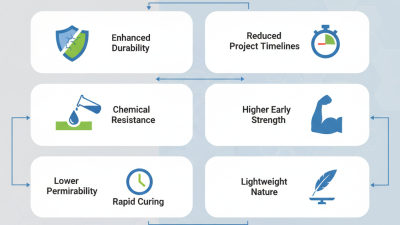
One notable characteristic of PPC is its low permeability. Studies show that it can reduce water absorption by up to 90% compared to traditional concrete. This feature increases the lifespan of structures. Additionally, PPC sets quickly, often within a few hours, allowing for faster project completion. However, this rapid curing time can be a double-edged sword. The quick setting may lead to a higher risk of cracking if not properly managed.
Another critical property is the lightweight nature of PPC. This characteristic simplifies transportation and installation, especially in complex projects. Still, some constructions may find the lightweight feature challenging. It requires precise calculations to ensure stability. Overall, understanding these key properties helps engineers and builders make informed decisions about using Polyester Polymer Concrete effectively.
What is Polyester Polymer Concrete and Its Benefits? - Key Properties and Characteristics of Polyester Polymer Concrete
| Property |
Description |
Benefits |
| Compressive Strength |
High compressive strength similar to traditional concrete. |
Ideal for heavy-load applications and infrastructure projects. |
| Durability |
Excellent resistance to chemical attacks and abrasion. |
Extends lifespan and reduces maintenance costs. |
| Curing Time |
Fast curing properties, allowing for quick construction. |
Reduced downtime in project timelines. |
| Flexural Strength |
Enhanced flexural strength compared to conventional concrete. |
Better load distribution and reduced cracking. |
| Water Resistance |
Low water absorption rates. |
Prevents moisture-related issues, enhancing longevity. |
| Eco-Friendliness |
Can incorporate recycled materials. |
Supports sustainable construction practices. |
Advantages of Using Polyester Polymer Concrete in Construction
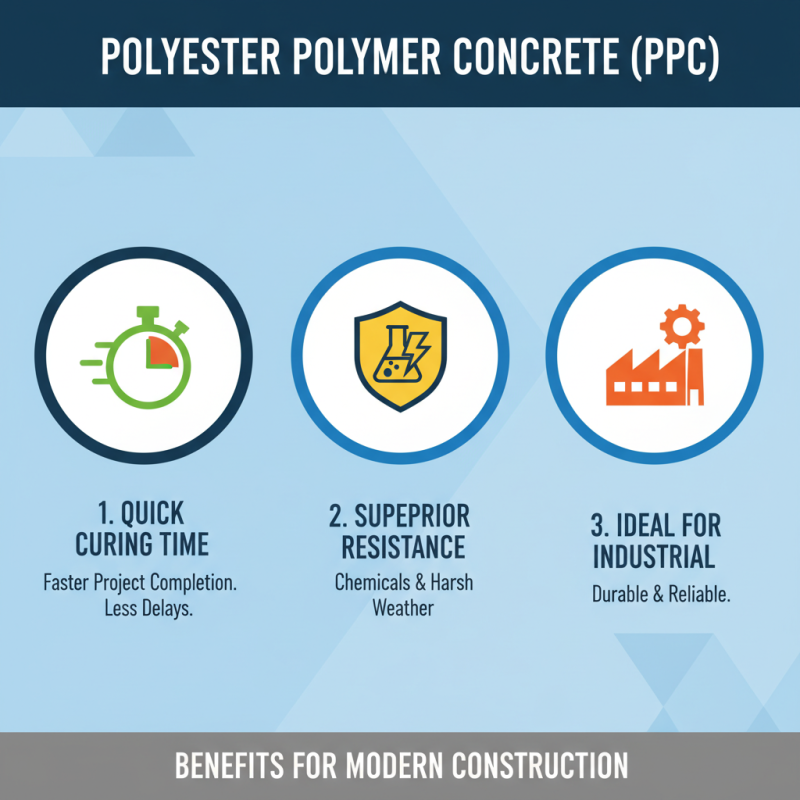
Polyester Polymer Concrete (PPC) is gaining attention in construction for its unique benefits. One major advantage is its quick curing time. This allows for faster project completion. Contractors can save time and minimize delays with PPC. Additionally, it offers superior resistance to chemicals and harsh weather conditions. This resilience makes it ideal for industrial settings.
Another significant aspect is its lightweight nature. Compared to traditional materials, PPC reduces the overall weight of structures. This can lead to savings in foundation costs and materials needed. Also, its high tensile strength helps prevent cracking under stress. However, it's essential to consider that not all applications may benefit equally from PPC. While it excels in certain environments, its cost-effectiveness depends on various factors.
The visual appeal of PPC can also be a selling point. It can be cast in various colors and textures, providing aesthetic flexibility. However, achieving perfect finishes can be challenging. Imperfections can arise during mixing and pouring. Skilled workers are necessary to manage these details. Overall, PPC presents many advantages, but careful consideration is required to maximize its potential.
Applications and Uses of Polyester Polymer Concrete in Various Industries
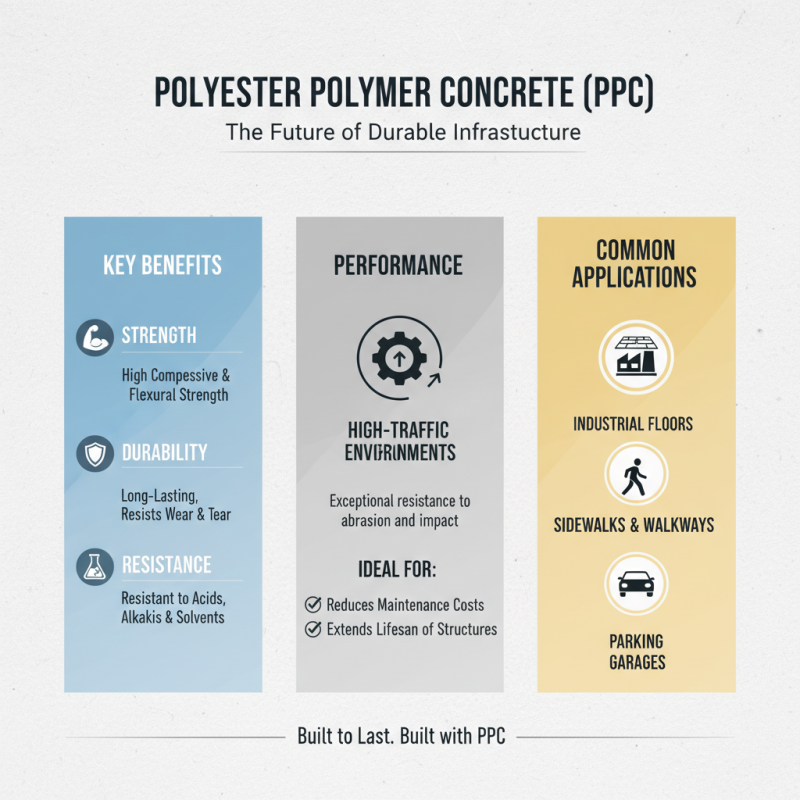
Polyester polymer concrete (PPC) is gaining popularity in various sectors. This material is strong, durable, and resistant to chemicals. It performs exceptionally well in environments that see frequent wear and tear. Therefore, it finds applications in environments like industrial floors, sidewalks, and parking garages.
In construction, PPC is used for overlays and repairs. Its rapid curing time allows for quick project turnover. Additionally, in water treatment facilities, it serves well in aqueducts and storage tanks. Its resistance to moisture makes it a preferred choice. However, it's essential to consider that improper mixing can lead to compromised strength. Always focus on precise ratios and curing conditions for the best results.
The automotive industry also utilizes PPC in composite materials. It helps create lightweight yet durable car components. Still, while the material has great benefits, its application requires skilled labor. Training is crucial to ensure that the mix is effective and meets safety standards. A thorough understanding of PPC will lead to successful implementations across various applications.