
Mon - Fri 8:00AM - 5:00PM Central
1150 SE Hamblen Rd, Lee's Summit, MO 64081
China Top Concrete Suppliers How to Supply Concrete?
Choosing China’s top concrete suppliers requires more than comparing price lists. A reliable supplier must understand mix design, delivery timing, site conditions, and quality control. In practice, ready-mix concrete can lose workability during long transport. Hot weather creates additional risks. A capable supplier plans around these details.
This guide explains how to supply concrete from China with greater confidence. It examines batching facilities, raw-material testing, production records, and delivery capacity. Look for suppliers that provide clear cement, aggregate, and admixture information. Ask for recent test reports, relevant certifications, and project references. These documents do not replace careful verification. They support it.
Effective supply also depends on communication. Confirm the required strength grade, slump, pour volume, delivery schedule, and discharge method. A supplier should coordinate truck dispatch with your construction team. Delayed trucks can create cold joints and unnecessary labor costs. Small details matter.
No supplier is perfect. Even experienced producers may face traffic, equipment, or weather problems. The honest question is how they respond. Do they report problems quickly? Do they offer a practical recovery plan? Do they record batch numbers and delivery times?
A professional supplier protects quality from the mixing plant to the placement point. This article offers a practical framework for evaluating Chinese concrete manufacturers. It also highlights common mistakes that buyers may overlook. Careful inspection remains necessary, because a polished website proves very little.
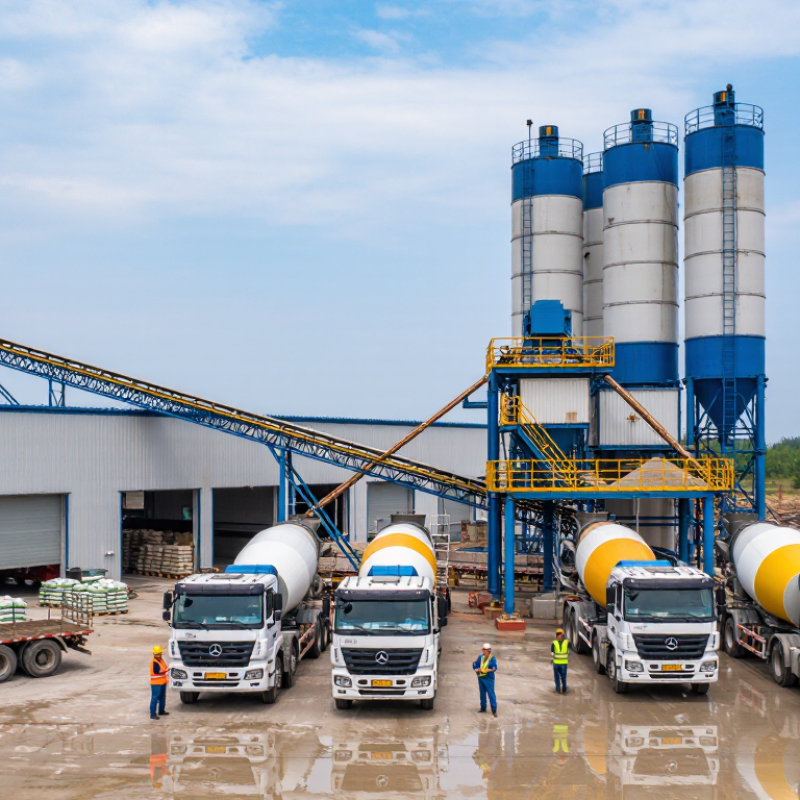
Understanding Concrete Supply Requirements and Project Specifications
Reliable concrete supply begins with a clear reading of project requirements, not a quick price request. Before contacting China top concrete suppliers, define volume, placement dates, strength grade, slump, and exposure conditions. A foundation in a coastal area may need low permeability and suitable cement performance. Specify aggregate size, admixtures, curing method, and required test records. Details matter.
Suppliers need drawings, pour sequences, site access limits, and the maximum delivery interval. A pump may require a different mix than direct discharge from a truck. For example, a 30 MPa slab with a 160 mm slump must remain workable without excessive water. Ask for batch tickets, calibration records, cube or cylinder results, and production quality procedures. Do not guess. Confirm who approves mix changes and who records temperatures during delivery.
Practical experience shows that traffic, weather, and crane delays can disrupt an otherwise accurate schedule. Build a contingency plan with spare trucks, communication contacts, and an agreed rejection procedure. The supplier should explain its testing frequency and response time for nonconforming concrete. Independent verification can strengthen confidence, especially for structural pours or unfamiliar sites. One estimate may still be wrong. Review actual site conditions after the first delivery, then adjust carefully with documented approval.
China Top Concrete Suppliers How to Supply Concrete? - Understanding Concrete Supply Requirements and Project Specifications
| Project Application | Typical Strength Class | Design Strength at 28 Days | Typical Slump | Maximum Aggregate Size | Delivery Method | Recommended Supply Information |
|---|---|---|---|---|---|---|
| Residential slabs and footings | C20/25–C25/30 | 20–25 MPa cylinder strength; 25–30 MPa cube strength | 75–125 mm | 20 mm | Mixer truck with direct discharge or line pump | Required volume, reinforcement layout, placement access, pour sequence, and finishing requirements |
| Commercial floor slabs | C25/30–C30/37 | 25–30 MPa cylinder strength; 30–37 MPa cube strength | 100–150 mm | 20 mm | Mixer truck, pump, or laser-screed placement | Flatness tolerance, slab thickness, joint layout, surface finish, and estimated hourly placement rate |
| Reinforced columns and beams | C30/37–C40/50 | 30–40 MPa cylinder strength; 37–50 MPa cube strength | 100–180 mm | 10–20 mm | Pump placement is commonly used | Structural drawings, congestion of reinforcement, pump reach, placement rate, vibration method, and formwork pressure limits |
| High-rise core walls and shear walls | C35/45–C50/60 | 35–50 MPa cylinder strength; 45–60 MPa cube strength | 150–220 mm | 10–20 mm | Continuous pumping with scheduled truck arrivals | Pour height, lift sequence, temperature-control plan, construction joints, pump pressure, and uninterrupted supply requirement |
| Piles and deep foundations | C25/30–C35/45 | 25–35 MPa cylinder strength; 30–45 MPa cube strength | 180–220 mm | 20 mm or smaller where reinforcement is congested | Tremie or pump placement | Pile diameter and depth, tremie arrangement, reinforcement cage details, concrete continuity, and estimated theoretical volume |
| Pavements and hardstands | C25/30–C35/45 | 25–35 MPa cylinder strength; 30–45 MPa cube strength | 40–100 mm | 20–32 mm | Direct discharge, slipform paving, or paving equipment | Pavement thickness, traffic loading, joint spacing, curing method, surface texture, and weather conditions |
| Water-retaining structures | C30/37–C40/50 | 30–40 MPa cylinder strength; 37–50 MPa cube strength | 100–160 mm | 20 mm | Pump or controlled direct discharge | Water-tightness class, crack-width limit, cement content, permeability requirements, joint details, and curing duration |
| Mass concrete and large foundations | C25/30–C35/45 | 25–35 MPa cylinder strength; 30–45 MPa cube strength | 75–150 mm | 20–40 mm, subject to reinforcement spacing | Multiple mixer trucks with coordinated placement | Pour dimensions, allowable temperature rise, cooling strategy, delivery rate, construction joints, and curing plan |
| Precast structural components | C35/45–C60/75 | 35–60 MPa cylinder strength; 45–75 MPa cube strength | 50–120 mm, depending on moulding process | 10–20 mm | Factory batching with controlled placement | Mould dimensions, demoulding strength, curing regime, dimensional tolerances, lifting points, and required production cycle |
| Cold-weather or hot-weather placement | Project-specific strength class | Specified by the structural design and exposure conditions | Specified by placement method | Specified by reinforcement spacing and pumping needs | Scheduled delivery with temperature monitoring | Ambient temperature, target concrete temperature, admixture requirements, insulation or cooling measures, and maximum allowable transport time |
Related Posts
-
How to Read Concrete Grades and Strength Ratings?
-

2026 Best High Early Strength Concrete Applications and Benefits?
-

Best Concrete Tips for Your Next Construction Project?
-
Top Bag of Ready Mix Concrete Suppliers Worldwide?
-
Top 10 Majors Concrete Suppliers for Global Buyers?
-

Top 10 Benefits of Arizona Concrete for Your Next Construction Project?