CONTACT PHONE 816-380-4747
OPEN HOURS

Mon - Fri 8:00AM - 5:00PM Central

ADDRESS

1150 SE Hamblen Rd, Lee's Summit, MO 64081

How to Choose the Best Heavy Duty Non Slip Mat?

Choosing the best Heavy Duty Non Slip Mat requires more than judging thickness, color, or price. The right mat must suit the surface, traffic level, moisture, and cleaning routine. A warehouse entrance faces different risks from a restaurant kitchen or a workshop crowded with metal shavings.

David W. Smith, a floor-safety consultant, offers a useful reminder: “A mat is only as safe as its worst condition.” That statement deserves attention. Even a thick rubber mat can curl at the edges, lose grip under grease, or trap water beneath its backing. Practical experience matters here. Walk across the intended area during busy hours. Notice where shoes drag, where liquid collects, and where the mat shifts.

Material selection should follow the environment. Nitrile rubber often performs well around oils, while textured PVC may suit lighter commercial use. Open-grid designs can drain water, but they may feel uncomfortable under small wheels. Thickness improves cushioning, yet excessive height can create a trip point near doorways. There is no perfect specification.

Check independent slip-resistance testing, load capacity, edge construction, and cleaning instructions. Ask whether the product remains stable on your actual floor, not only in showroom conditions. Maintenance is equally important. A neglected mat becomes a hidden hazard.

Some recommendations may seem overly cautious. They are not always convenient, either. Still, comparing real conditions with manufacturer claims helps reveal weaknesses before installation. This guide explains how to evaluate a Heavy Duty Non Slip Mat with practical judgment, measurable details, and room for honest reconsideration.
How to Choose the Best Heavy Duty Non Slip Mat?

What Is a Heavy Duty Non Slip Mat?

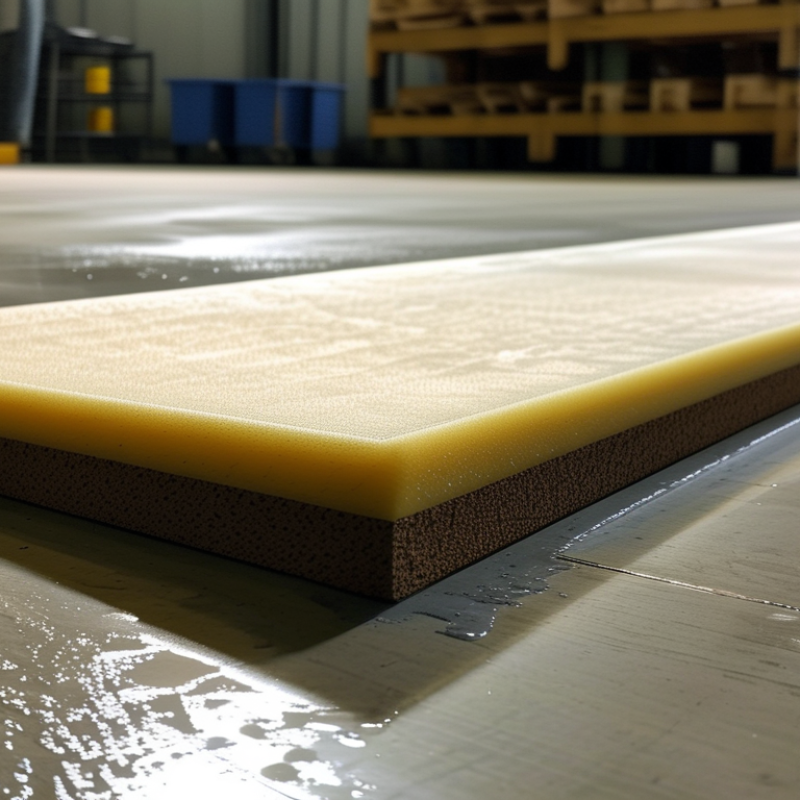
A heavy duty non slip mat is a thick, resilient surface designed to improve traction under demanding conditions. It usually combines a dense rubber or polymer body with a textured top and gripping underside. “Heavy duty” means more than extra thickness. It suggests resistance to repeated footsteps, rolling loads, moisture, and daily abrasion. The mat should remain stable on a clean, reasonably level floor. It is not a guarantee against every fall.

In a workshop, warehouse entrance, commercial kitchen, or laundry area, the mat can catch dirt and provide a firmer walking surface. Raised patterns may guide small amounts of water away from shoes, while beveled edges help reduce trip risks. Some mats have drainage holes for wet areas. In practical use, the underside often matters most on smooth floors. A thick mat can still slide when dust gathers underneath. Regular lifting and cleaning are necessary.

Choosing one requires checking load, temperature, chemicals, and cleaning routines. A mat near a sink needs different resistance from one beneath a workbench. Look for even edges, consistent texture, and backing that does not curl after storage. Independent slip testing can provide useful evidence, but conditions vary. Measure carefully, because an oversized mat may buckle against walls. Test a small area when possible, especially where oil, fine grit, or trolley traffic is present.

How to Choose the Best Heavy Duty Non Slip Mat?

What Is a Heavy Duty Non Slip Mat?

A heavy duty non slip mat is a thick, durable floor mat designed to improve traction and protect floors in demanding areas such as workshops, entrances, kitchens, warehouses, and wet workspaces. Thickness is one practical factor when comparing durability, cushioning, drainage, and resistance to frequent use.

The chart uses representative thickness midpoints from commonly specified commercial ranges: rubber mats around 8–16 mm, nitrile rubber mats around 6–14 mm, PVC mats around 5–15 mm, and polypropylene mats around 4–12 mm. Actual specifications vary by construction, surface pattern, drainage design, and intended load.

Which Surface and Environment Require the Mat?

How to Choose the Best Heavy Duty Non Slip Mat?

Which Surface and Environment Require the Mat?

Choosing a heavy-duty non-slip mat starts with the surface beneath it. Smooth concrete, sealed tile, and metal usually work well with a flat, stable mat. Uneven flooring needs a flexible design that can follow small changes in the surface. Dust, grease, and loose debris reduce grip, even when the mat has a strong textured top. Clean the floor before installation. Small details matter.

The environment is equally important. Wet kitchens, laundry rooms, and poolside areas need open drainage holes and quick-drying materials. Workshops may require oil-resistant surfaces with raised patterns that catch spills. Outdoor entrances need UV-resistant construction, beveled edges, and a backing that stays stable during temperature changes. For cold locations, check whether the material remains flexible instead of becoming brittle. Avoid placing a thin mat over loose gravel. It may shift under heavy footsteps.

In practical site checks, I have found that thickness can create both comfort and problems. A thicker mat reduces fatigue near standing workstations, but it may catch carts or doors. Measure clearance before ordering. I once selected a deeply grooved mat for a damp entrance, expecting better traction. It trapped mud quickly and became harder to clean than expected. That choice needed more reflection. Consider cleaning frequency, footwear, wheel traffic, and exposure to water before deciding. Test a small section during normal use when possible.

How to Compare Materials, Thickness, and Traction

Choosing a heavy duty non slip mat starts with the working environment. Rubber offers strong grip and resists moisture, oil, and frequent foot traffic. PVC can feel lighter and easier to clean, but some blends become stiff in cold rooms. Thermoplastic materials may provide better flexibility, though their performance depends on the formulation. I once selected a soft mat for a damp entrance, and its edges curled after several weeks. That mistake changed my buying process.

Thickness affects comfort, stability, and clearance. A mat around 10 to 15 millimeters can reduce leg fatigue during long standing periods. Thicker designs may cushion better, but they can create trip points near doors or wheeled equipment. Measure the floor gap before ordering. Do not assume thicker means safer. A dense, well-supported mat often performs better than a loosely textured, oversized one.

Traction requires more than a deep pattern. Look for a textured surface that remains grippy when wet, and check the underside for full contact with the floor. Open drainage holes help in wet areas, while raised patterns suit dry workshops and packing stations. Test a sample with the shoes and cleaning methods used on site. Dust can fill fine grooves. This detail is easy to overlook. A mat that moves under pressure needs attention, even if its top surface feels impressive.

How to Choose the Best Heavy Duty Non Slip Mat? - How to Compare Materials, Thickness, and Traction

Comparison of common heavy-duty non-slip mat materials and specifications
Mat Type Typical Material Common Thickness Traction Performance Water and Oil Resistance Durability Drainage or Cleaning Features Best Use
Solid Rubber Mat Natural rubber or synthetic rubber compounds 10–20 mm ★★★★★
Excellent grip and cushioning
Good water resistance; oil resistance depends on the rubber formulation ★★★★★
Very high resistance to impact and abrasion
Non-porous surface is easy to sweep and wash; limited drainage Workshops, loading areas, industrial workstations, and heavy equipment zones
Nitrile Rubber Mat Nitrile-butadiene rubber (NBR) 6–19 mm ★★★★★
Strong grip when dry or exposed to light fluids
Excellent resistance to mineral oils, grease, and many industrial fluids ★★★★★
High resistance to wear and chemical degradation
Available with raised patterns, bevelled edges, or drainage holes Garages, machine shops, commercial kitchens, and areas with oil exposure
PVC Anti-Fatigue Mat Flexible polyvinyl chloride (PVC) foam or solid PVC 9–19 mm ★★★★☆
Good traction with a textured top surface
Good water resistance; prolonged contact with oils or solvents may reduce service life ★★★☆☆
Suitable for moderate to heavy commercial use
Easy to wipe clean; some designs include drainage holes or open-grid construction Retail counters, assembly stations, reception areas, and dry workspaces
Open-Grid Rubber Mat Rubber with molded holes or interlocking drainage sections 12–22 mm ★★★★☆
Stable footing with raised ribs or patterned surfaces
Good water resistance; oil performance varies by rubber type ★★★★☆
Resists frequent foot traffic and impact
Excellent drainage; dirt and liquid fall below the walking surface Wet entrances, showers, pool surrounds, food-service areas, and outdoor walkways
Polypropylene Modular Mat Rigid or semi-flexible polypropylene tiles 12–25 mm ★★★★☆
Raised surface improves grip and allows air circulation
Very good water resistance; generally suitable for wet environments ★★★★☆
Good resistance to moisture, impact, and many chemicals
Open structure drains quickly; individual tiles can be lifted for cleaning Industrial floors, locker rooms, temporary walkways, and large wet areas
Aluminum Scraper Mat Aluminum profiles with replaceable rubber, vinyl, or textile inserts 10–22 mm ★★★★☆
Strong surface stability and effective dirt scraping
Good water resistance; untreated aluminum may oxidize in harsh conditions ★★★★★
Very high resistance to heavy pedestrian traffic
Open channels can collect or drain water; requires periodic removal and cleaning Building entrances, shopping facilities, airports, and high-traffic corridors
Textile-Backed Vinyl Mat Vinyl face with absorbent textile or rubber backing 6–12 mm ★★★☆☆
Moderate traction, mainly for indoor dry floors
Good resistance to ordinary moisture; not designed for standing water or heavy oil ★★★☆☆
Best for light to moderate traffic
Absorbs dirt and moisture; requires vacuuming and periodic washing Indoor entrances, offices, corridors, and low-moisture commercial spaces

Selection guide: Choose a thicker mat for prolonged standing, uneven floors, or heavy impact. Select a textured or open-grid surface where water, mud, or grease may be present. For areas exposed to petroleum-based oils, nitrile rubber is generally more suitable than ordinary natural rubber.

How to Choose the Right Size, Shape, and Drainage Design

Choosing the best heavy duty non slip mat starts with the space, not the product label. Measure the full working area, including door swings and standing zones. Add 5 to 10 centimeters around busy edges when possible. I once bought a mat that fit the doorway perfectly but missed the area where water collected. That small mistake made cleaning harder.

For a straight entrance, a rectangular mat usually gives the most useful coverage. Curved or irregular spaces may need a rounded or custom-cut shape, but check edge stability first. A curled corner can catch a shoe or trolley wheel. Keep the mat large enough for two or three steps, especially near wet entrances. In narrow aisles, choose a width that leaves clear walking space. Do not force maximum coverage. Oversized mats can buckle against walls.

Drainage design depends on the liquid, floor, and cleaning routine. Open holes or raised channels help water move below the walking surface. Smaller openings feel steadier under thin footwear, while larger openings drain faster but may trap small objects. For kitchens or workshops, lift the mat often and inspect the floor beneath it. A drain-friendly mat still fails if the floor outlet is blocked. I prefer a gently sloped surrounding floor, although real sites are rarely perfect. Measure hole size, thickness, and edge ramps before ordering. These details are easy to overlook.

How to Evaluate Safety, Durability, Cleaning, and Maintenance

Choosing the best heavy-duty nonslip mat starts with actual hazards. The UK HSE’s 2023/24 workplace injury statistics identify slips and trips as about 30% of reported specified injuries. That figure makes entrance control more than a comfort issue. Inspect water, oil, loose grit, footwear, and traffic direction. A mat with open drainage works near wet doors. A dense, grease-resistant surface suits workshops better. Ask for tested slip resistance, not vague “industrial grade” language. ASTM and ISO test methods support comparison, but conditions still matter.

Durability needs evidence. Request abrasion results, load limits, edge-curl performance, and temperature ratings. ASTM D3884-style abrasion testing can help compare wear. However, it cannot reproduce every trolley wheel or chemical spill. I have seen thick mats fail early because their backing cracked near a cold doorway. Thickness alone misleads. Check seams, bevels, underside grip, and flatness after repeated rolling. Replace the mat when channels clog, edges lift, or the surface becomes polished. A worn mat can create the hazard it was bought to prevent.

Tips: Shake or vacuum busy-zone mats daily. Wash them according to the maker’s instructions. Dry both sides completely. Keep a simple inspection log. Record dates, locations, cleaning methods, and defects. Compare performance after 30 days, not only on delivery. HSE guidance stresses housekeeping and prompt spill control. Cleaning is part of safety performance. Avoid harsh chemicals without compatibility evidence. Test a sample during the wettest shift. Real use may challenge the specification.