How to Choose High Strength Concrete for Your Projects?
When embarking on a construction project, choosing the right materials is crucial. High strength concrete stands out as a preferred choice for many engineers. According to Dr. Emily Carter, a leading expert in concrete technology, “High strength concrete provides durability and safety, essential for modern structures.”
Understanding the unique properties of high strength concrete is vital. Its composition allows for greater load-bearing capacity. This makes it ideal for skyscrapers, bridges, and other demanding structures. However, sourcing high strength concrete can be challenging. Not all suppliers meet the necessary standards or offer consistent quality. This can lead to potential risks during construction.
Moreover, while high strength concrete has many benefits, it can come with drawbacks. Its cost is generally higher compared to traditional concrete, which may strain budgets. Additionally, if not mixed correctly, its performance could diminish. This underscores the importance of expert advice and thorough research when selecting high strength concrete for your projects.

Understanding High Strength Concrete: Definition and Standards
High strength concrete is defined by its compressive strength, typically above 6000 psi. This type of concrete is crucial for projects that require superior durability and load-bearing capacity. Standards for high strength concrete often include specific mix designs, quality control measures, and performance guidelines. It’s essential to understand the various factors influencing its strength, such as the water-cement ratio and the type of aggregates used.
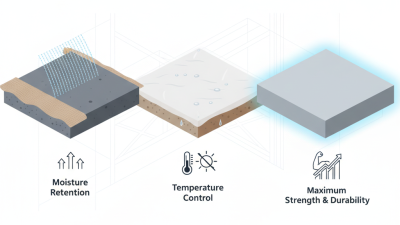
When choosing high strength concrete, consider the environmental conditions it will face. For instance, exposure to extreme temperatures can affect performance. The curing process is also critical. Insufficient curing can lead to weaker concrete despite a strong initial mix. Moreover, not all applications benefit equally from high strength concrete. In some cases, it may be over-engineered, leading to increased costs without significant advantages. Evaluating the project requirements closely is key to making informed decisions.
How to Choose High Strength Concrete for Your Projects?
| Property |
Standard Value |
Common Applications |
| Compressive Strength |
≥ 40 MPa |
High Rise Buildings, Bridges |
| Flexural Strength |
≥ 5 MPa |
Pavements, Precast Elements |
| Workability |
Slump 75-100 mm |
Pumpable Concrete, Cast-in-Place |
| Durability |
Resistance to Freeze-Thaw |
Harsh Weather Conditions |
| Shrinkage |
Minimized Due to Additives |
Large Structural Elements |
Key Factors Influencing High Strength Concrete Selection
Choosing high strength concrete requires careful consideration of various factors. One crucial aspect is the intended application. High strength concrete is often used for structures needing durability. Think about the environment and stresses the structure will face. For instance, if the project involves heavy loads, select a concrete mix designed for such conditions.
Another key factor is the mix design. The proportions of ingredients can significantly influence strength. A well-balanced mix ensures optimal performance. Experimenting with different combinations may yield better results, but it can also lead to unexpected challenges. Monitor the curing process as it affects strength development.
It’s vital to consider environmental factors. High strength concrete may need additives to improve performance under extreme conditions. Use materials that mitigate risks associated with temperature changes or moisture. Reflect on potential trade-offs; what works in one scenario might not suit another. Each project poses unique challenges that deserve thorough analysis.
Industry Applications of High Strength Concrete in Construction Projects
High strength concrete is widely used in various industry applications. In skyscraper construction, it provides the necessary support for towering structures. Its ability to withstand high loads allows architects to design buildings with larger spans and fewer columns. This feature enhances both the aesthetic appeal and functional space of urban environments. Engineers appreciate its rapid curing properties, which can significantly speed up project timelines.
Another significant application is in bridge construction. High strength concrete increases durability and extends the lifespan of bridges. Engineers can design thinner, lighter structures that require less material. However, the cost of high strength concrete can be a consideration. It’s important to assess project budgets and consider long-term benefits. Over time, these structures can save on maintenance costs, justifying initial investments.
The demand for high strength concrete is also growing in infrastructure projects, such as dams and highway systems. Its resistance to environmental factors is crucial for long-lasting performance. Some projects have faced challenges due to variations in concrete quality and mix ratios. Engineers must ensure consistent material properties to avoid structural issues. Balancing performance and cost can pose questions. Each project presents a unique set of requirements that need careful consideration.
Performance Metrics and Testing Methods for High Strength Concrete
When selecting high strength concrete, performance metrics play a crucial role. Key measures include compressive strength and durability. Compressive strength indicates the load-bearing capacity. It’s essential to conduct thorough testing to ensure the concrete can withstand intended stresses over time.
Consider utilizing standard tests, like the compressive strength test, to evaluate performance. This involves taking concrete samples, curing them, and applying pressure until failure occurs. Such testing helps ascertain how well the concrete will perform in real-world conditions. While these tests provide valuable insights, they may not cover all performance aspects. Observing field conditions and actual usage scenarios is equally important.
Concrete isn’t one-size-fits-all. Evaluate your project’s specific needs before deciding on a mix design. Pay attention to environmental factors like temperature and moisture. Remember, concrete strength can be influenced by the quality of materials used, mixing processes, and curing techniques. Regularly review your procedures to ensure the best results. Prioritizing thorough testing and observance of real-world conditions will guide you in achieving reliable high strength concrete for your projects.
High Strength Concrete Performance Metrics
This chart displays various performance metrics for high strength concrete, including Compressive Strength, Flexural Strength, Split Tensile Strength, and Durability Rating. These metrics are essential for assessing the suitability of concrete for various construction projects.
Sustainability Considerations in High Strength Concrete Usage
When considering the sustainability of high strength concrete, it’s crucial to focus on its impact. High strength concrete contains less water and can achieve greater durability. This reduced water requirement can lead to lower energy consumption during the mixing process. Moreover, enhanced durability means less frequent repairs or replacements, which contributes positively to the environment.
Using recycled materials in high strength concrete is a viable option. Incorporating fly ash or slag not only reduces waste but also enhances properties. However, blending these materials requires expertise. Not all recycled options might deliver the desired strength. Testing mixtures is essential for ensuring structural integrity.
Monitoring the carbon footprint during production is vital. The manufacturing process can be energy-intensive. Selecting local aggregates minimizes transportation emissions. It’s also beneficial to evaluate the environmental certifications of concrete mixes. This knowledge can guide you in making eco-friendly decisions while choosing materials for your projects. Regular reassessment of practices ensures that sustainability goals are being met.