7 Firestopping Sealant Tips for Global Buyers
Firestopping Sealant is a small component with a major responsibility. It helps protect openings around pipes, cables, joints, and ducts when fire and smoke move through a building. For global buyers, choosing it is not simply a price comparison. Product chemistry, tested applications, installation conditions, and local code acceptance must work together.
The scale of the risk is clear. NFPA’s Fire Loss in the United States During 2023 reported approximately 1,388,500 fires and about $22.2 billion in direct property damage. These figures concern one country, yet they show why passive fire protection deserves careful purchasing decisions. A sealant may sit unnoticed above a ceiling, beside a cable tray, for years. During a fire, that quiet installation can become critical.
This guide presents seven practical Firestopping Sealant tips for international buyers. It considers test evidence, certification scope, substrate compatibility, movement capability, storage, documentation, and installer experience. Standards such as ASTM E814, UL 1479, EN 1366-3, and EN 1366-4 may address similar risks, but they are not automatically interchangeable. A familiar certificate can still be insufficient for a specific wall, floor, penetration, or joint.
One label is not proof. Buyers should question vague claims, missing test conditions, and impressive performance numbers without assembly details. We should also admit an uncomfortable truth: even a compliant product can fail when the opening is dirty, oversized, or poorly installed. Reliable procurement therefore requires technical review, traceable documents, and realistic site planning. These tips are designed to support that process without replacing advice from qualified fire engineers, authorities, or approved testing bodies.
What Firestopping Sealant Is and Why Global Buyers Need It
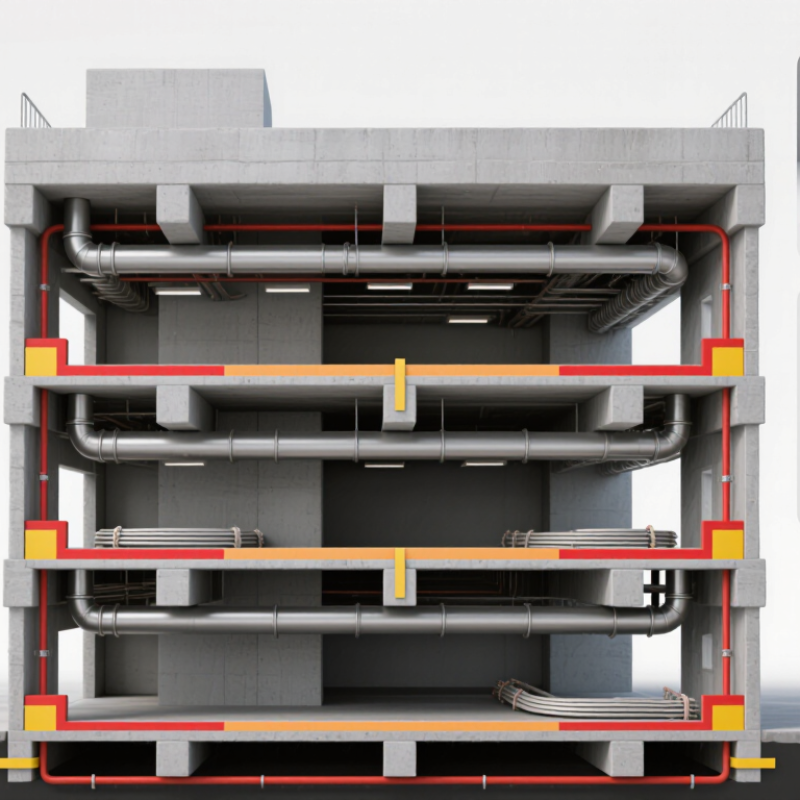
Firestopping sealant is a specialized material that helps close gaps around pipes, cables, ducts, and joints in fire-rated walls and floors. It limits the passage of flames, smoke, and hot gases during a fire. Unlike ordinary caulk, it must perform as part of a tested fire-resistance system. The sealant, substrate, penetration, backing material, and installation depth all matter.
Global buyers need it because modern buildings contain thousands of service openings. One unprotected gap can weaken compartmentation and allow smoke to spread quickly. During projects, I have seen neat-looking sealant beads fail because the opening was too wide or the backing material was wrong. Appearance is not proof. Buyers should review test reports, installation instructions, movement ratings, and approved applications before ordering. Local building requirements may also differ by country, project type, and construction method.
Small details matter. Check storage temperatures before shipment. Confirm the product suits concrete, masonry, gypsum board, or metal surfaces. Consider humidity, freezing conditions, ultraviolet exposure, and long transport times. A product that works well in one climate may need different handling elsewhere. No selection is perfect. I would rather identify a limitation early than hide it behind broad performance claims. Reliable suppliers should provide traceable batches, technical data, and responsive installation guidance. On-site workers also need clear drawings and practical training, because even a tested system can underperform when installed carelessly.
How to Verify Fire Ratings, Standards, and Product Certifications
Global buyers should verify the complete firestopping system, not only the sealant label. A fire rating belongs to a tested assembly. It depends on the wall, floor, joint width, backing material, and installation method. A product rated for two hours may fail in a different substrate. Small details matter.
Tip: Confirm the exact test standard. Common references include ASTM E1966, UL 1479, and EN 1366-3. Check whether the project authority accepts that standard. Then review the full test report, not only a marketing certificate. Look for fire exposure, movement, joint size, and rating classifications such as EI 60 or EI 120. A certificate without its scope can mislead.
Tip: Examine certification documents carefully. Verify the certificate number, issuing laboratory, validity date, and listed production site. The product name should match the technical data sheet and packaging. Ask for installation drawings and approved application details. I have seen convincing paperwork with missing substrate information. That should trigger another review.
Tip: Test the installer’s method before site-wide use. Check nozzle size, surface cleaning, backing depth, curing time, and ambient conditions. Photograph the joint before and after application. Record batch numbers and inspection dates. Field conditions are rarely perfect. That is where assumptions often fail. Availability of local technical support also deserves attention, especially when standards differ between countries.
7 Firestopping Sealant Tips for Global Buyers: How to Verify Fire Ratings, Standards, and Product Certifications
Fire-resistance ratings are normally stated in minutes. The chart shows common rating periods used in tested firestop systems; the accepted rating depends on the local building code, assembly, joint or penetration type, and installation details.
Seven verification tips:
- Confirm the required fire-resistance period in minutes for the project location.
- Check that the test method matches the application, such as penetration, joint, or perimeter fire barrier.
- Request the complete fire-test report, not only a marketing datasheet.
- Verify the tested wall, floor, ceiling, joint width, substrate, backing material, and service type.
- Confirm that the installation matches the tested system and published installation instructions.
- Check whether the certification or conformity document is current and traceable to the exact product formulation.
- Review regional requirements, including standards such as ASTM E814, UL 1479, EN 1366-3, or ISO 834 where applicable.
A fire rating applies to a tested and installed system, not to the sealant alone. Always obtain approval from the project’s responsible code authority or fire-safety professional.
How to Compare Installation Conditions, Compatibility, and Durability
7 Firestopping Sealant Tips for Global Buyers
How to Compare Installation Conditions, Compatibility, and Durability
Global buyers should compare more than the sealant’s rated fire time. NFPA reported 1,388,500 U.S. fires in 2023, with property losses reaching $22.1 billion. Small installation errors can become expensive failures. Check the substrate, opening size, humidity, temperature, and surface cleanliness. A dusty concrete joint is not equivalent to a clean steel penetration. Record these conditions before approval.
Confirm compatibility with cables, pipes, insulation, coatings, and adjacent materials. Plastic pipes may soften during fire exposure, while coated metals can affect adhesion. Request tested system details, not isolated product claims. ASTM E814 and UL 1479 test firestop assemblies under controlled conditions. They do not approve every field variation. That distinction matters. Ask for movement ratings, water resistance, smoke performance, and permitted joint widths. If the project crosses climates, review application temperatures and curing behavior. Cold storage rooms can slow curing badly.
Durability also depends on access and maintenance. Choose systems that inspectors can identify after installation. Photograph penetrations before concealment. Record batch numbers and installer qualifications. EN 1366-3 and ISO 11600 can support international comparisons, but local codes still govern acceptance. Be cautious with vague “lifetime” language. Real service life depends on moisture, vibration, chemicals, and building movement. A practical mock-up may reveal problems that a data sheet hides. I would not treat laboratory performance as field certainty. Recheck the details.