2025 Top Trends in Concrete Everything You Need to Know About Concrete
As we look forward to 2025, the world of concrete is set to undergo transformative changes that will redefine its applications and enhance its sustainability. This article aims to provide a comprehensive overview of the top trends shaping the concrete industry, ensuring that you have all about concrete you need to navigate the future with confidence. From innovative materials and construction techniques to advancements in technology and sustainability practices, we will cover essential topics that highlight how concrete is evolving to meet modern demands.
In the coming years, the concrete sector will prioritize eco-friendliness and durability, with a significant push toward reducing carbon footprints and improving resource efficiency. Moreover, the integration of smart technology into concrete infrastructure will revolutionize the way we think about construction, paving the way for safer and smarter urban environments. By examining these trends, we will equip you with valuable insights that will enhance your understanding of concrete's role in shaping not only buildings and roads but also the future of our cities and communities. Prepare yourself to explore all about concrete and its potential to inspire innovation and resilience in the built environment.
Emerging Technologies Transforming Concrete Production in 2025
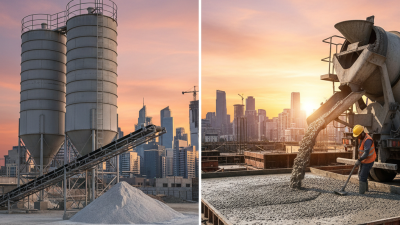
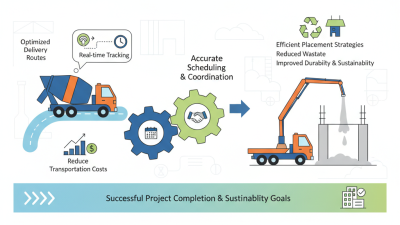
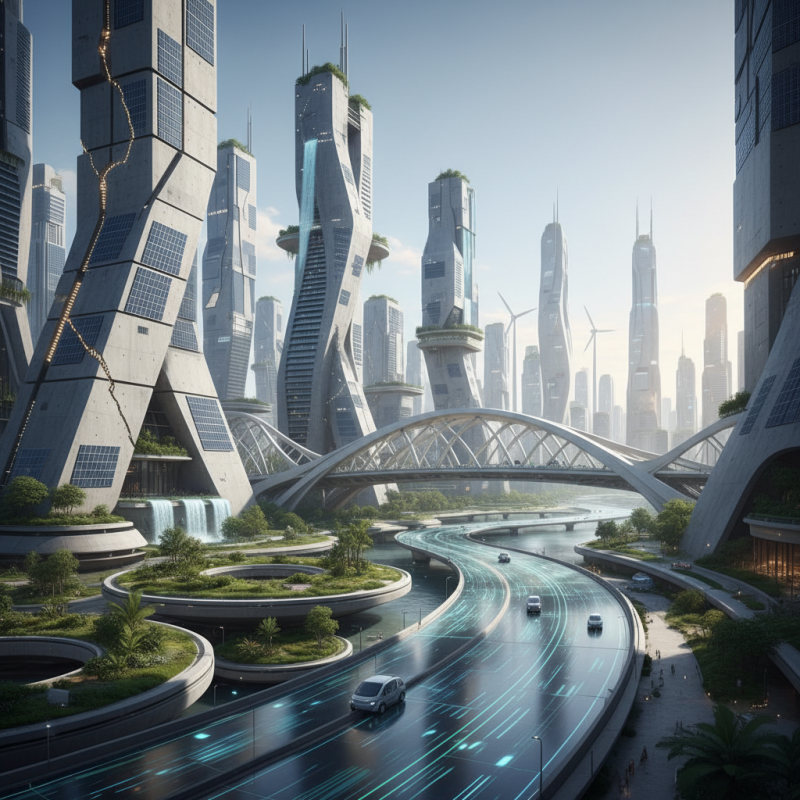
In 2025, the concrete industry is poised for a significant transformation, driven by emerging technologies that enhance both production efficiency and sustainability. One of the most impactful advancements is the adoption of advanced automation and robotics in concrete mixing and placement. Automated systems can streamline processes, reduce human error, and increase precision in construction projects, leading to higher-quality outcomes. Furthermore, integrating artificial intelligence with concrete production workflows allows for real-time monitoring and optimization, ensuring that the mix proportions are adjusted dynamically to meet varying project demands.
Sustainability is also a key focus for emerging technologies in concrete production. Innovations such as the use of recycled materials and eco-friendly additives help reduce the carbon footprint associated with traditional concrete. The growing trend of incorporating carbon capture technology into production processes presents an exciting avenue for minimizing emissions, allowing concrete manufacturers to contribute to a greener future. Additionally, developments in alternative curing techniques, such as moisture-retaining coverings and accelerated curing methods, promise to enhance durability while minimizing resource consumption, aligning with global sustainability goals.
Sustainable Practices Redefining Concrete Usage and Lifecycle
The concrete industry is undergoing a significant transformation as sustainable practices increasingly shape its usage and lifecycle. Historically known for its substantial carbon footprint, concrete production is now adopting eco-friendly alternatives and innovations aimed at reducing environmental impact. One prominent trend is the use of recycled materials in concrete mix designs, which not only decreases the demand for new raw materials but also minimizes waste. This practice contributes to a circular economy, where existing materials are repurposed, effectively extending their lifecycle and diminishing the pressure on landfill sites.
In addition to utilizing recycled content, advancements in concrete formulation are prioritizing energy efficiency and sustainability. Innovations such as carbon capture technologies and the development of geopolymer concrete—produced from industrial byproducts—offer promising alternatives to traditional Portland cement. These approaches lower greenhouse gas emissions during production and enhance the durability of concrete structures. Furthermore, it is essential to consider the entire lifecycle of concrete, from sourcing to disposal. Implementing sustainable practices during construction and ensuring responsible end-of-life options can lead to a more resilient built environment, benefiting both nature and the community.
2025 Top Trends in Concrete - Sustainable Practices Redefining Concrete Usage and Lifecycle
| Trend |
Description |
Impact on Sustainability |
Innovative Practices |
| Recycled Materials |
Incorporating recycled aggregates and materials to reduce waste. |
Minimizes landfill waste and reduces the carbon footprint. |
Use of crushed concrete and industrial by-products. |
| Carbon Capture Technology |
Implementing systems to capture CO2 emissions during concrete production. |
Reduces greenhouse gas emissions from cement production. |
Integration of direct air capture systems with concrete plants. |
| Water Efficiency |
Practices to reduce water usage in mixing, curing, and washing. |
Conserves local water resources and reduces operational costs. |
Technology for water recycling within concrete batches. |
| Smart Concrete |
Concrete embedded with sensors for monitoring performance. |
Enhances building longevity and reduces maintenance. |
Integration of IoT technology to track structural health. |
| Green Certifications |
Products and projects certified for sustainable concrete practices. |
Promotes the use of sustainable materials in construction. |
LEED, BREEAM, and other certification implementations. |
Innovative Concrete Designs Enhancing Urban Architecture
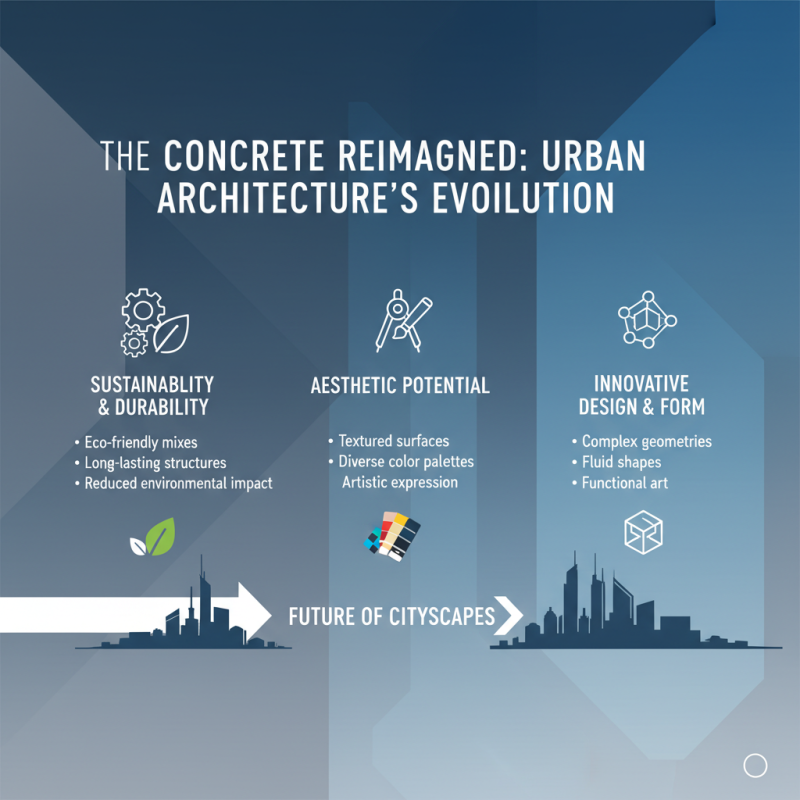
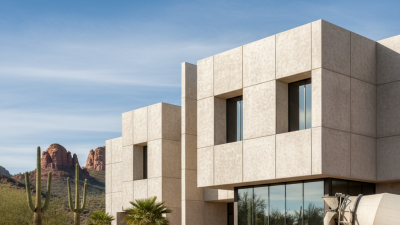
The evolution of urban architecture in recent years has been significantly influenced by innovative concrete designs. As cities continue to grow and face the challenges of sustainability, architects and designers are exploring novel ways to utilize concrete not only for its durability but also for its aesthetic potential. By integrating new techniques and formulations, contemporary designers are able to create striking structures that blend functionality with artistic expression. The introduction of textured surfaces, vibrant colors, and complex geometric shapes showcases how concrete can transcend its traditional role, becoming a medium for creative exploration.
Moreover, environmentally conscious concrete solutions are gaining traction in urban architecture. Developments in recycled materials and eco-friendly additives are increasing the sustainability of concrete while maintaining its strength and versatility. Urban spaces are now adorned with green roofs and permeable pavements made from innovative concrete mixes that enhance environmental performance. These designs not only improve stormwater management but also innovate the way public spaces are perceived, creating more inviting and livable environments. As architects continue to push the boundaries of concrete applications, the cityscape evolves, reflecting a modern approach to design that prioritizes both form and function.
Smart Concrete: Integrating IoT for Performance Monitoring
Smart concrete, an innovative blend of traditional construction materials and advanced technology, is shaping the future of infrastructure by integrating IoT (Internet of Things) capabilities for real-time performance monitoring. According to a recent report by MarketsandMarkets, the smart concrete market is projected to reach $5.4 billion by 2025, reflecting a compound annual growth rate (CAGR) of 25.5%. This remarkable growth is driven by the increasing need for smarter infrastructure solutions that enhance durability, reduce maintenance costs, and improve safety standards.
The integration of IoT sensors within concrete structures allows for continuous monitoring of various parameters such as temperature, moisture levels, and stress. This data-driven approach enables engineers to detect potential issues before they escalate into significant problems. A study published in the Journal of Construction Engineering and Management found that proactive performance monitoring could reduce maintenance costs by up to 30%. As more municipalities and construction firms recognize these benefits, smart concrete is positioning itself as a cornerstone in the development of resilient urban environments that can adapt to the demands of modern society.
2025 Top Trends in Smart Concrete: Performance Monitoring Using IoT
Future Challenges and Opportunities in the Concrete Industry
The concrete industry is poised to face a myriad of challenges by 2025, as demands for sustainability, efficiency, and innovation grow. As environmental regulations tighten, the industry must seek out eco-friendly materials and techniques that minimize carbon emissions while maintaining strength and stability. The transition to greener alternatives, such as recycled aggregates and supplementary cementitious materials, will not only address regulatory pressures but also appeal to increasingly conscious consumers who prioritize environmental responsibility.
Moreover, technological advancements present significant opportunities for the concrete sector. Innovations like 3D printing and smart concrete incorporating sensors can revolutionize construction practices, providing enhanced durability and real-time data collection. Embracing these technologies will allow for more efficient project timelines and reduced labor costs while ensuring higher-quality outcomes. The integration of artificial intelligence and machine learning can further optimize production processes and predictive maintenance, ultimately transforming the concrete industry's operational landscape.
Conclusively, while challenges abound, the push toward sustainable practices and technological integration will shape a resilient and forward-looking concrete industry in the coming years.