
CONTACT PHONE 816-380-4747
OPEN HOURS

Mon - Fri 8:00AM - 5:00PM Central

ADDRESS

1150 SE Hamblen Rd, Lee's Summit, MO 64081

10 Battery Energy Storage System Buying Tips

The global energy system is changing quickly, and Battery Energy Storage System procurement is becoming more technical. The International Energy Agency’s Batteries and Secure Energy Transitions report estimates that global battery storage capacity must expand dramatically by 2030 to support renewable energy and grid flexibility. BloombergNEF’s Energy Storage System Cost Survey also shows that falling battery prices do not automatically guarantee lower project costs. Integration, installation, financing, and replacement risks still matter.

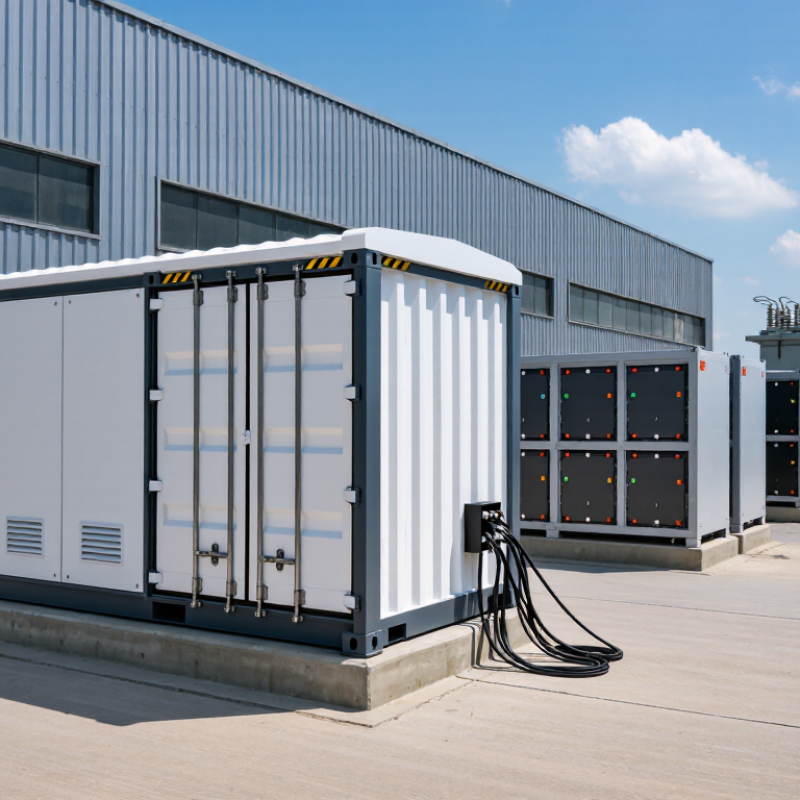
A battery cabinet may look compact beside a warehouse, yet its performance depends on temperature, load patterns, ventilation, software, and maintenance access. Small details can create large financial differences. A system with excellent cells may underperform because its energy management system is poorly configured. That happens.

This guide presents 10 Battery Energy Storage System buying tips for commercial, industrial, and utility-scale projects. It focuses on measurable factors, including usable capacity, round-trip efficiency, cycle life, degradation warranties, safety certifications, and supplier service capability. Lazard’s Levelized Cost of Storage analysis repeatedly demonstrates why lifecycle economics matter more than the initial equipment quote. The cheapest proposal can become expensive after capacity loss, downtime, or software limitations.

Buyers should compare real operating conditions, not only datasheet ratings. Ask how the system performs at high temperatures. Check the warranty’s remaining-capacity assumptions. Confirm who responds when an alarm appears at 2 a.m. No checklist is perfect. However, careful questions can expose weak assumptions before contracts are signed, equipment is delivered, and capital is committed.
10 Battery Energy Storage System Buying Tips

Define Your Energy Storage Needs and Operating Goals

Define Your Energy Storage Needs and Operating Goals

A battery energy storage system should begin with your operating goals, not its advertised capacity. Review twelve months of electricity bills and create a 15-minute load profile. Mark daily peaks, overnight demand, seasonal changes, and critical equipment such as refrigeration or medical systems. A spreadsheet helps, but incomplete data can produce false confidence.

Decide what the system must do during normal operation. It may reduce peak demand, store solar energy, support time-of-use pricing, or provide backup power. Each goal changes the required battery size, inverter rating, response time, and control strategy.

For backup, list essential loads and measure their starting currents. A pump may need far more power during startup than its running label suggests.

Set practical targets for backup duration, cycling frequency, usable capacity, and acceptable energy losses. Include ambient temperature, installation space, ventilation, noise, fire protection, and access for maintenance.

Check applicable electrical codes and request documented testing, monitoring functions, degradation assumptions, and warranty conditions. Performance claims need measurable definitions.

The first estimate is rarely perfect. Recheck it against real operating data after commissioning. A system oversized for occasional outages may waste capital, while an undersized system may fail when demand matters most. Clear priorities make technical comparisons more reliable.

Compare Battery Technologies, Capacity, and Performance

When buying a battery energy storage system, compare chemistry before comparing prices. Lithium iron phosphate batteries offer strong thermal stability and long cycle life. Nickel-based lithium batteries usually provide higher energy density. However, they may require stricter thermal management. Lead-acid systems can cost less initially, but their usable capacity and cycle life are often lower. Flow batteries suit long-duration storage, although their larger footprint may challenge small sites.

Capacity figures need careful reading. A 100 kWh battery may deliver only 80 to 90 kWh at its recommended depth of discharge. Round-trip efficiency also matters because charging and discharging create energy losses. Check continuous power, peak power, response time, and the C-rate. A battery with sufficient capacity may still perform poorly when several motors start together. Review performance at realistic temperatures, especially below freezing or above 35°C. Warranty terms should state capacity retention, cycle limits, and operating conditions clearly.

Field assessments often reveal differences that product sheets hide. A small workshop may need high starting power, while a solar home may value evening energy more. Measure the actual load profile for several days. Do not size the system from one unusually busy afternoon. I have found that early estimates can be too optimistic when standby loads are ignored. Leave practical room for aging, weather changes, and future demand. Perfect predictions are rare. Reliable decisions come from measured data and cautious assumptions.

Check Safety Features, Certifications, and System Reliability

When buying a battery energy storage system, treat safety evidence as a purchasing requirement, not a brochure feature.

The IEA reported that global battery storage additions increased by 130% in 2023, reaching about 42 GW. Rapid growth makes careful verification more important.

Request the system’s UL 9540 certification, where applicable, and review UL 9540A thermal runaway test results. UL 9540A is a test method, not a complete safety certification. Also check alignment with NFPA 855, IEC 62619, and IEC 62933 requirements for your market. Confirm fire detection, gas monitoring, emergency shutdowns, ventilation, and separation distances. Ask who performed each test. Ask for the complete report.

Safety hardware needs reliable operation. Review battery-management-system logs, alarm response times, operating temperature limits, and remote-control functions. Check the enclosure’s ingress-protection rating, cooling design, and maintenance access. The U.S. Department of Energy’s Energy Storage Grand Challenge Roadmap identifies safety, reliability, and lifecycle performance as core storage priorities. IEA’s 2024 analysis says global storage capacity must expand roughly sixfold by 2030 in its net-zero pathway. That scale increases pressure on quality control. A certificate is not a crystal ball. Request independent field data, guaranteed round-trip efficiency, annual availability, degradation assumptions, and warranty exclusions. Some specifications look impressive until heat, dust, or partial-load operation exposes their weaknesses.

Evaluate Installation Requirements, Warranty, and Service Support

When buying a battery energy storage system, installation requirements deserve more attention than the advertised capacity. The U.S. Energy Information Administration reported that developers planned about 15 GW of new utility-scale battery storage in 2024. This rapid expansion makes site readiness critical. Check floor loading, ventilation, drainage, fire separation, noise limits, and emergency access. Confirm the system’s usable capacity at your local temperature, not only its nameplate rating. A 1 MWh system may deliver less after conversion losses and reserve limits.

Ask for documented compliance with applicable electrical and fire-safety standards, including system testing data. The UL 9540A test method helps assess thermal runaway behavior and fire propagation. Installation drawings should show cable routes, isolation points, communications, and maintenance clearance.

I would also request a commissioning checklist with measured round-trip efficiency. It exposes weak assumptions early.

Warranty language needs equal scrutiny. BloombergNEF’s 2024 Battery Price Survey reported average lithium-ion pack prices of 115 dollars per kWh, down 20% year over year. Lower prices do not remove degradation risk. Compare guaranteed energy retention, cycle limits, throughput limits, exclusions, and replacement responsibility. Ask whether warranty claims require approved maintenance procedures. Service support should include remote monitoring, response times, spare-parts availability, software updates, and technician training. Get these promises in writing. A long warranty can still be disappointing when local support is slow. My own caution is simple: projected savings often look precise, while service delays remain poorly modeled.

Calculate Total Ownership Cost and Plan for Future Expansion

Buying a battery energy storage system requires more than comparing its purchase price. Calculate the total ownership cost across its expected operating life. Include equipment, installation, controls, permits, insurance, software, maintenance, replacement parts, and electricity losses.

A useful model should show annual costs and expected savings. Measure usable energy, not only the advertised capacity. A 1 MWh system may deliver less after conversion losses, temperature effects, and reserve requirements. Review warranty limits, degradation assumptions, response time, and service labor. Our first spreadsheet missed network fees and seasonal performance changes. That mistake changed the investment result.

Tip: Request a five-year and ten-year cost scenario. Test low, expected, and high energy prices. Ask an experienced engineer to verify every assumption.

Future expansion also affects today’s decision. Leave physical space for additional cabinets, transformers, ventilation, and fire-safety equipment. Check whether the electrical connection can support more capacity later. Select controls that can manage added units without a complete redesign. Expansion may require new studies, permits, protection settings, and commissioning work. These costs are easy to underestimate.

Tip: Plan the expansion in phases. Define the next capacity target, installation date, and funding trigger before signing the initial contract. Keep spare floor area and cable routes clear. Do not assume every system scales smoothly; compatibility can change over time. A cheaper first phase may create expensive integration work later. That deserves honest review.